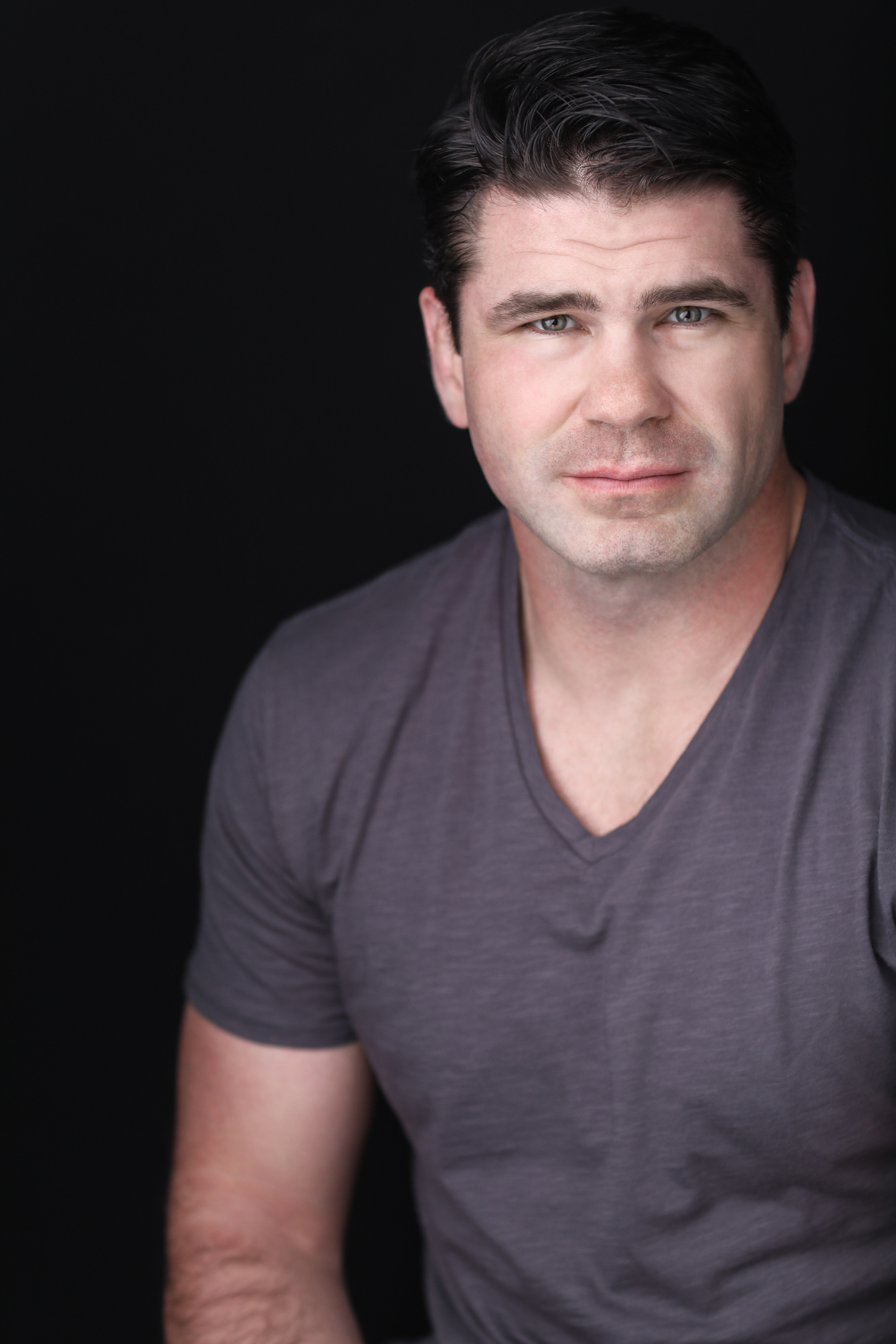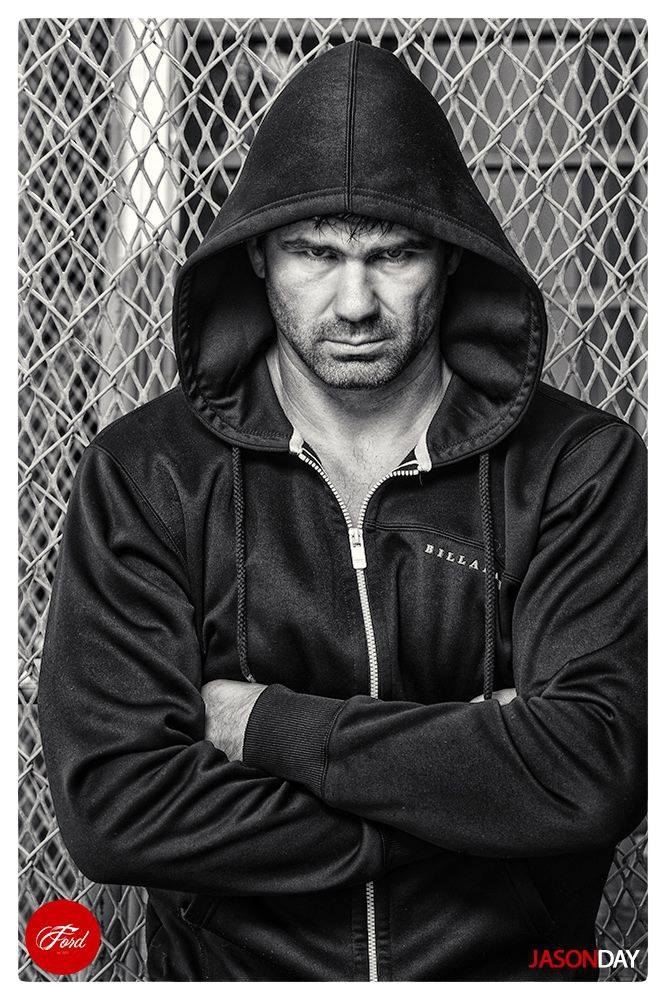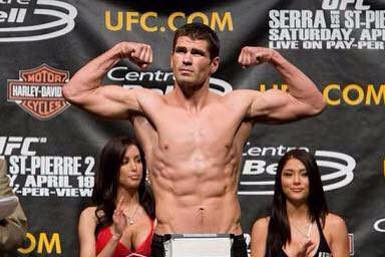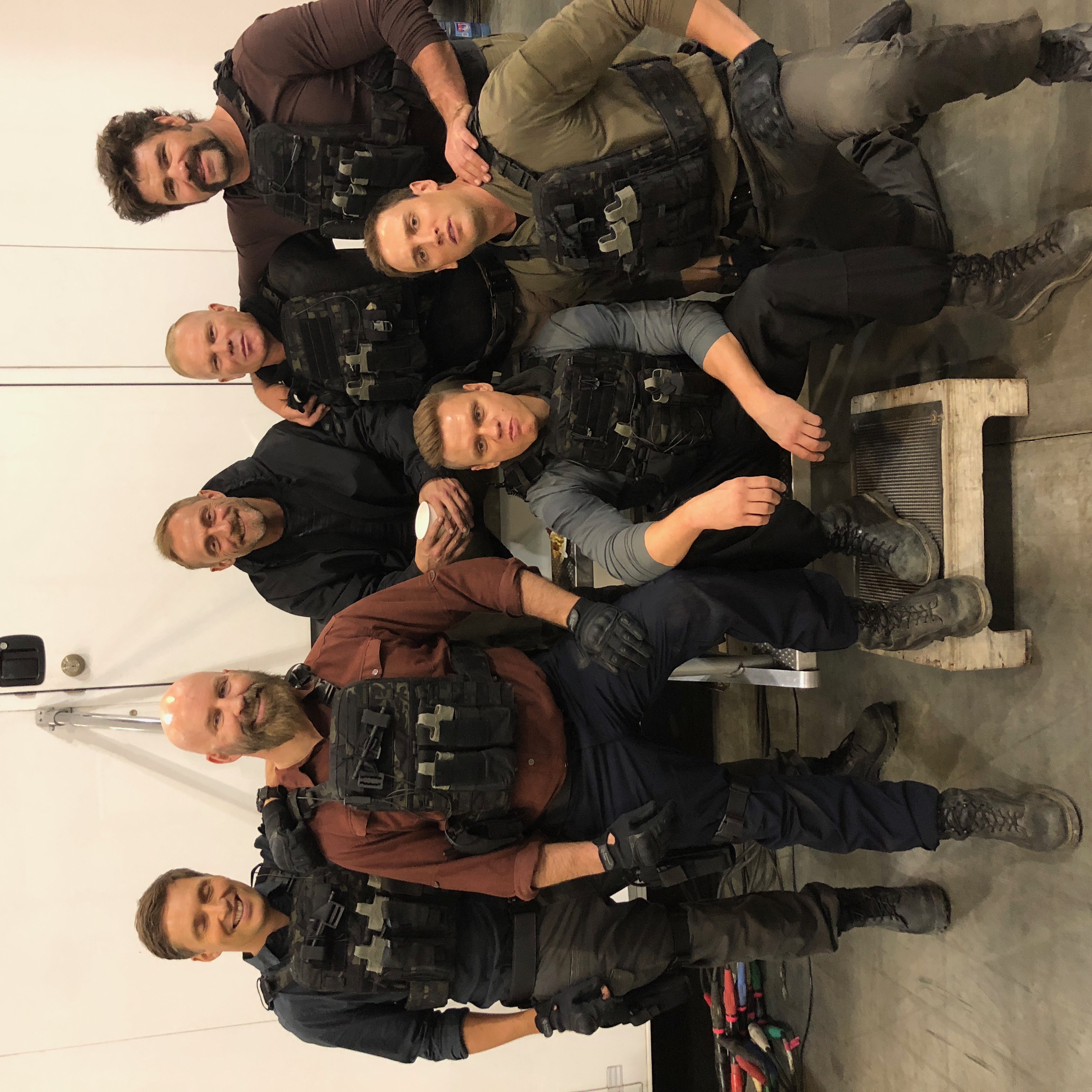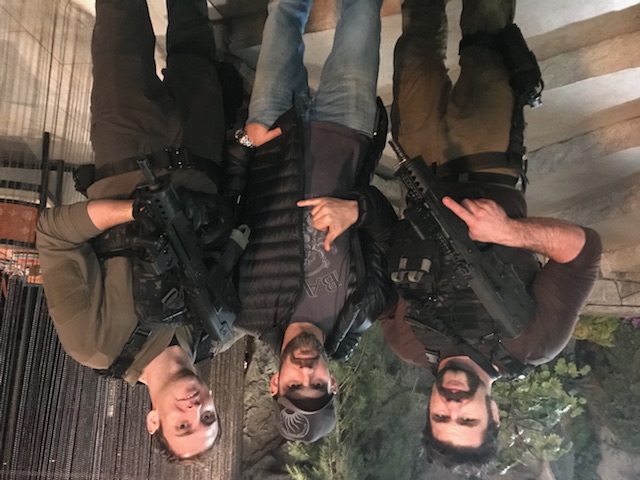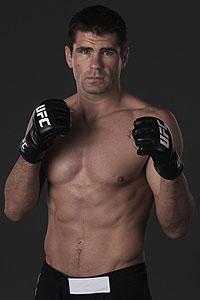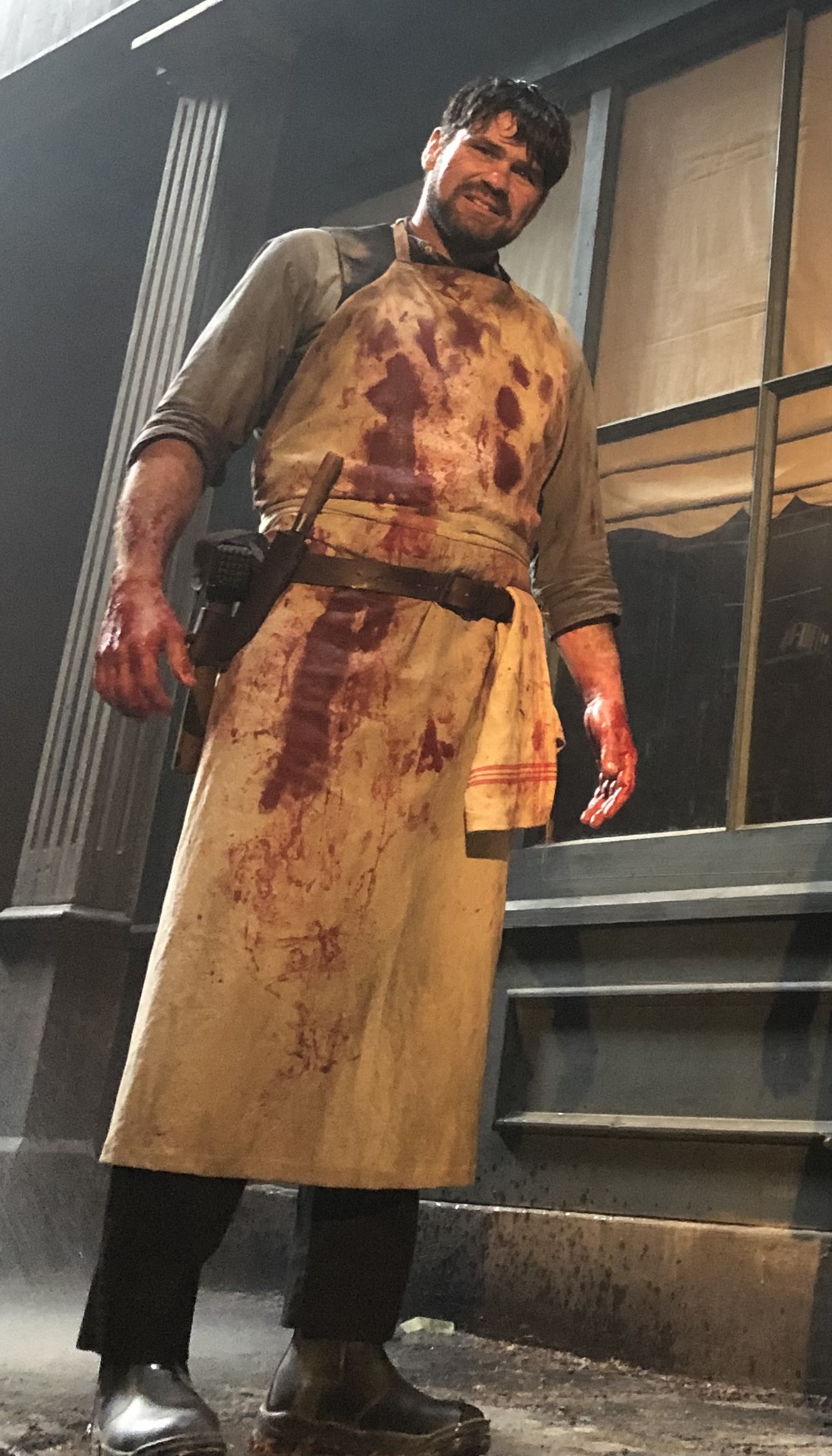
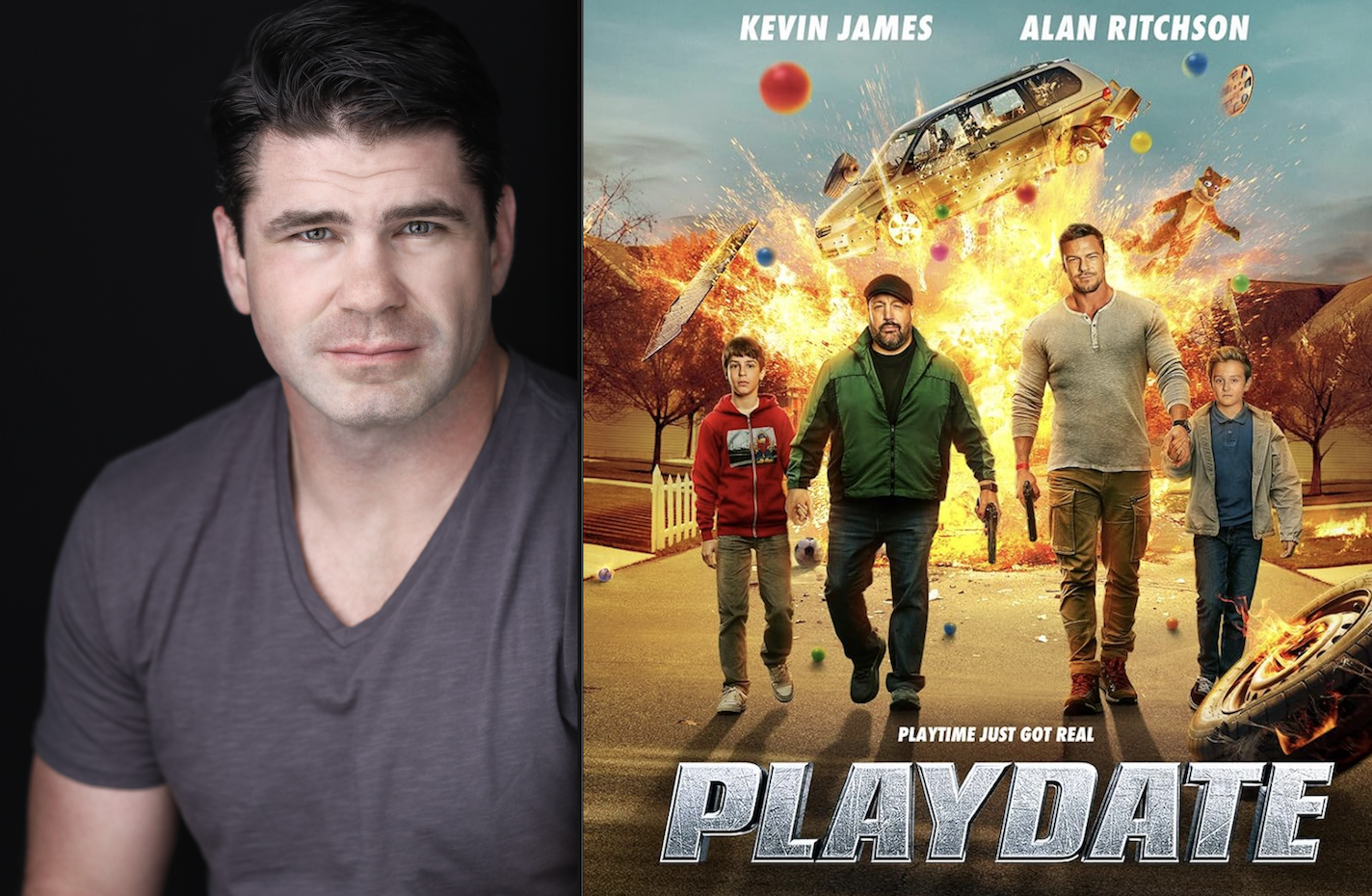
Jason Day is the kind of guy who could fold you in half and then feel bad about it. CLICK HERE FOR JASON’S IG
Playdate is why we are talking, but to understand how Jason Day ended up smashing lockers with Alan Ritchson and getting dragged through gravel, and tackled against walls, you have to rewind a bit.
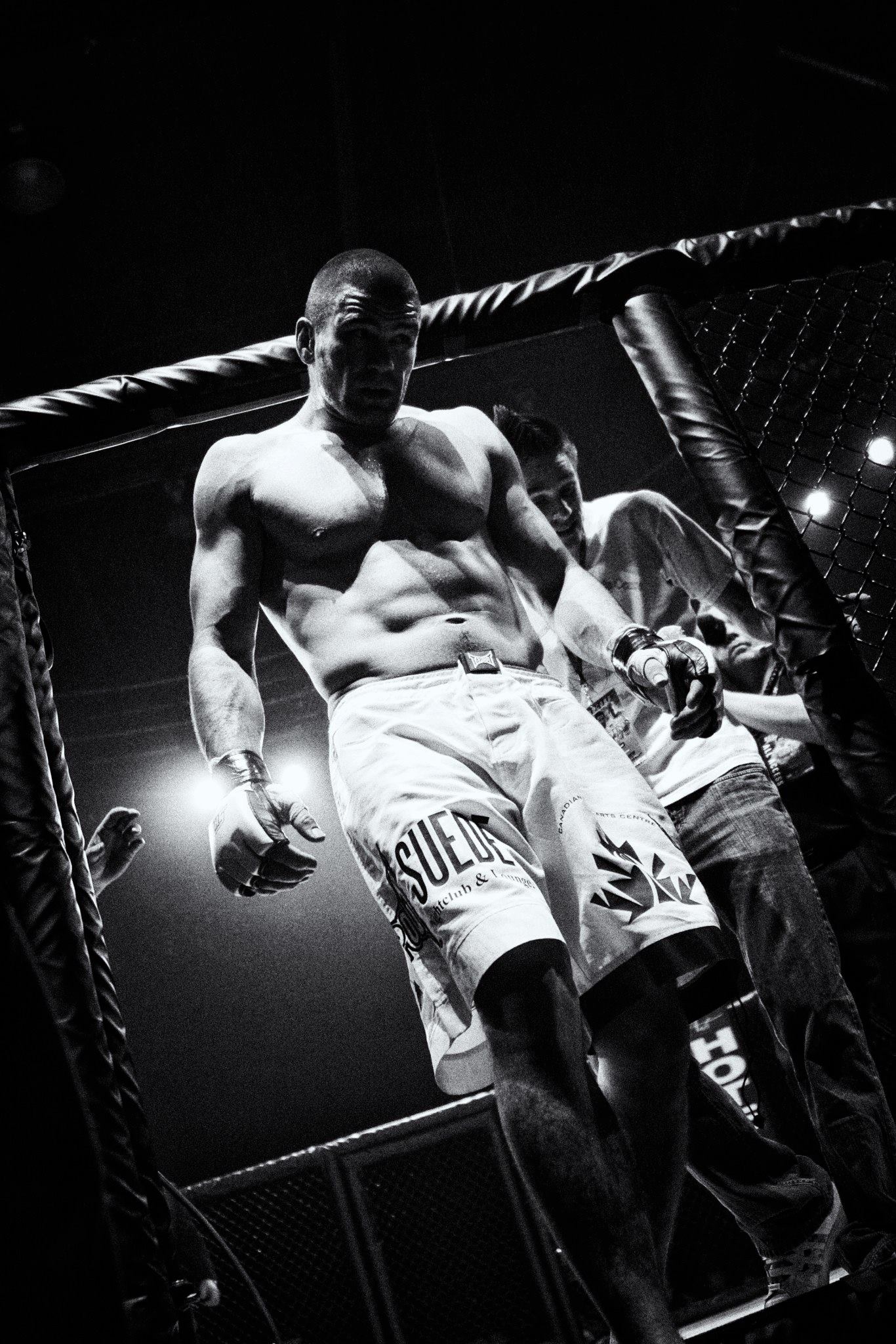
We meet, and let me tell you he fills the room without really trying. Former UFC middleweight, longtime stunt performer, now the heavy in Playdate, which just climbed to number 1 on Amazon. He is relaxed, funny, and almost alarmingly self aware for a man whose job is often to be thrown through things.
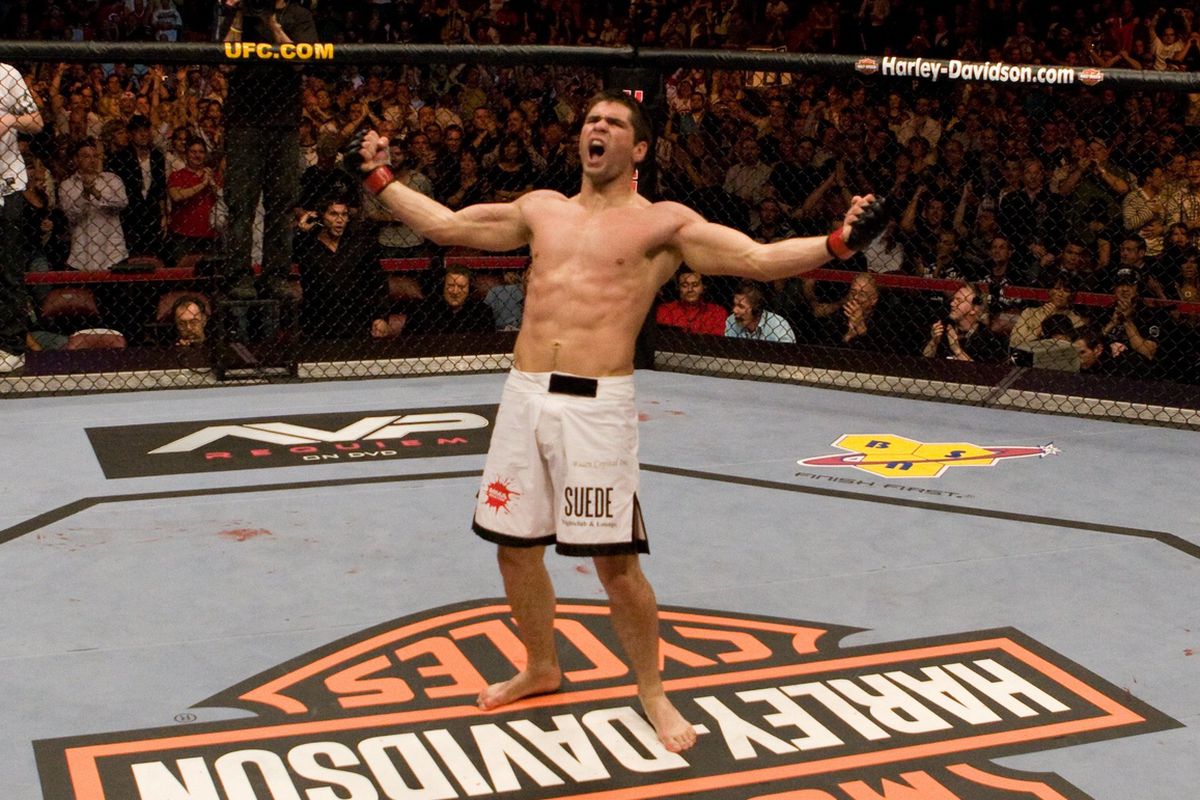
Playdate has climbed to the top spot on Amazon, and in the middle of all the chaos and comedy there is one very large problem for the heroes. His name is Clive, and he is played by former UFC fighter turned stunt performer and actor Jason Day.
Jason’s path to that role started long before Playdate. Even when he was fighting professionally he had the urge to act. He was taking acting lessons while he was still in the cage. At the time he did not really know stunt performers were even a thing.
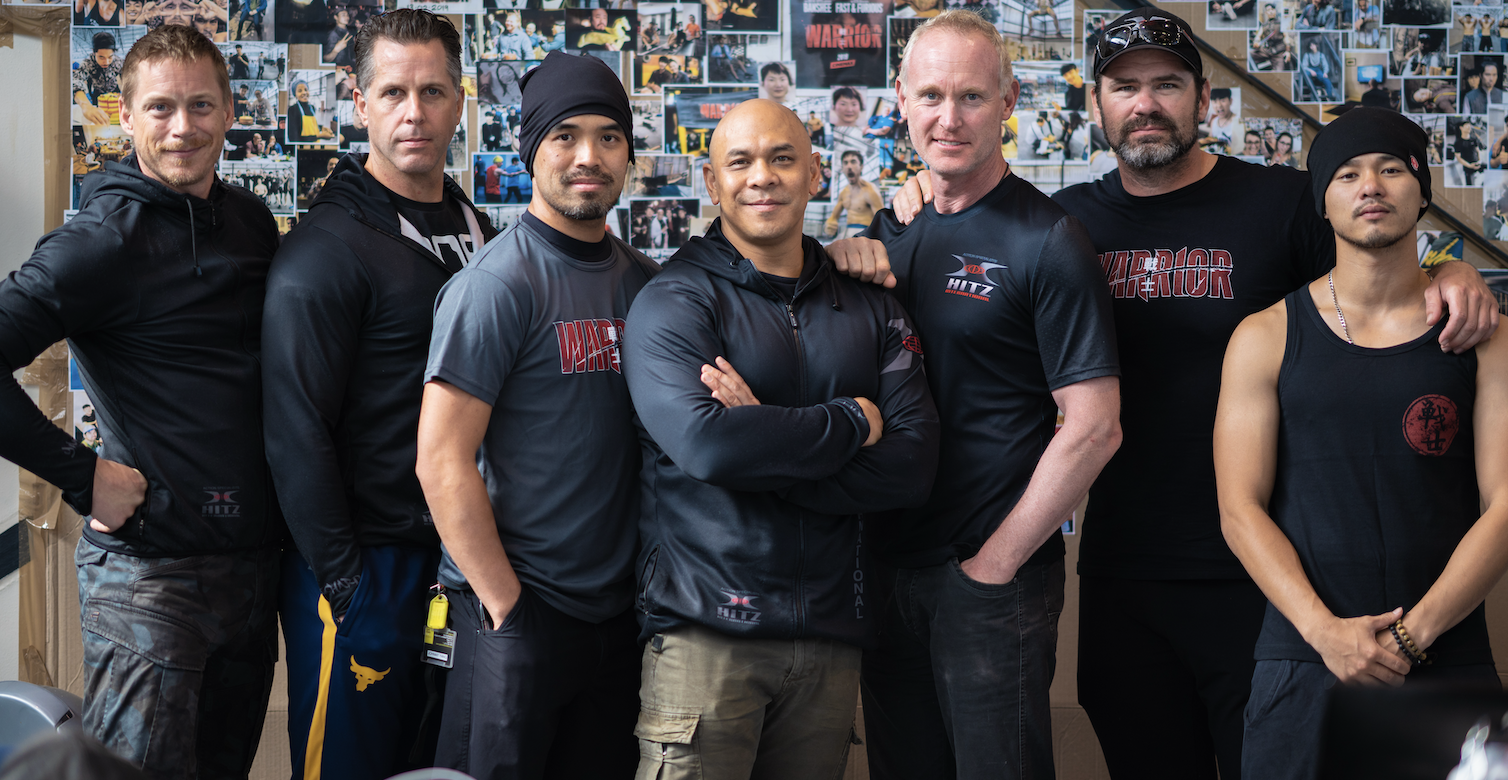
That changed in Vancouver. While training with other fighters he met Dan Rizzuto, a former fighter who had built a strong career in stunts. They became friends and stayed in touch. When Jason’s fight career ended and he moved back to Vancouver to teach MMA, Dan opened his eyes to the stunt world and convinced him to start training for it. Dan also got him his first job in stunts, a fight with the Miz from WWE on a project called Christmas Bounty where Jason takes a steel chair across the back. He was hooked.
Breaking in after that was not easy. Jason went a long stretch without another credit. He did student and low budget work, helped build box rigs for free when that was allowed, met coordinators, and kept pushing. He remembers sending his resume around with just one stunt credit and getting a reply from a coordinator who told him not to call himself a stunt guy until he had earned it. The coordinator compared it to calling someone with one fight a fighter. That comment stayed with Jason and pushed him to keep his head down and work.
A big turning point came when Kimani Ray Smith and Dan Rizzuto hired him as the main double on the film Vendetta, where he doubled Dean Cain. That job felt like the tide had turned and helped him feel like he belonged in the stunt world.
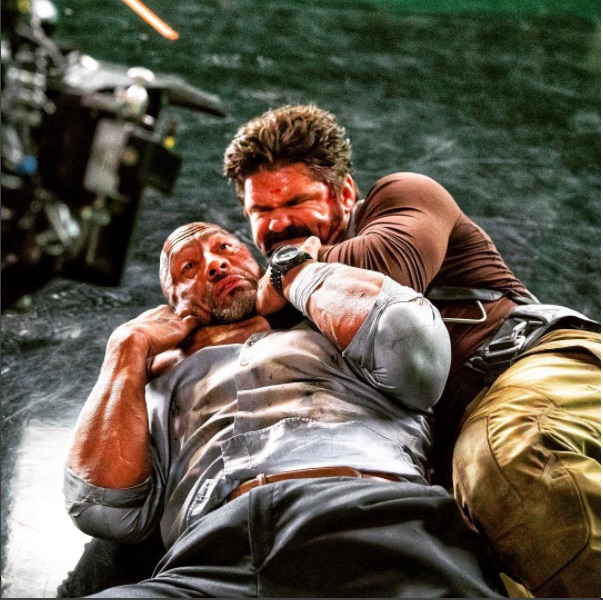
That momentum took him all the way to Skyscraper, where he had a credited role and worked with the stunt team on a fight with Dwayne Johnson. During one sequence Jason locked a rear naked choke on Johnson for a shot that ended up on the stars social media with Johnson calling him a real class act and bad ass. For Jason it was a surreal moment and very real proof of how far he had come. It was an especially big shift considering that just a few years earlier he had been forced to walk away from MMA after a serious bicycle collision with a Range Rover in Vancouver that left his knees and ankles permanently damaged and his fight career over. In the same interview he has said he always wanted to get into film, trained acting when he was young, and even trained acting while in the UFC because he wanted to switch over when fighting ended. That plan, mixed with stubborn work, is what eventually led him to Playdate.
Jason says that from real fighting, timing and reactions translated most naturally to film. In a real fight you try to stay small, fast, and precise. In film everything has to read for the camera. Punches and kicks are wider and bigger. What would look ridiculous and get you knocked out in a cage can look great on screen. Years of sparring and taking real shots helped him sell reactions and understand rhythm. He feels that in film timing is everything.
The biggest challenge early on was earning trust. He says that is the hardest part for every stunt performer and that it should be earned. People talk within the community, so he tried to do the best job he could every time someone gave him a chance. He remembers a job on The Tomorrow People early in his career. He was supposed to get blown up and hit a big flat back. Just before action, assistant coordinator Chad Bellemy leaned in and told him to make it big because the other stunt performers were going to sell hard and they were all watching him. Jason understood that this was a chance to prove himself and he went for it.
His approach now is simple. Be in the scene. He reads the sides and makes sure he knows what the scene and the action are about. The last thing he wants is to be the guy who looks lost. He tries to learn something on every job, pays attention, and aims to be one less thing the coordinator and director need to worry about. On set he focuses on safety by listening carefully, knowing what might go wrong, and speaking up when needed, while also knowing when to step back. He takes care of his fellow performers and knows his role in the bigger picture.
Jason likes being in the hot seat. He enjoys being put into tough or crucial moments, like a big fight with a lead or a beat where timing has to be perfect. The part that still tests him is long periods of waiting. When there is a lot of down time he prefers to be on set helping or watching other action or strong performances instead of sitting away from the work.
For fighters who want to move into film he tells them to commit fully. Very few fighters get to retire from fighting. If they want to transition they need to bust their ass, train with stunt performers, take acting classes, and learn the industry. He says you cannot just dip your toe in. For new stunt performers he warns that they need a strong constitution or the business will eat them up. If you do not get a job you work harder and gain more skills. He reminds people that it is a feast or famine business, and when you are busy you should put money aside and invest wisely. He has seen people blow through big runs of work only to struggle when things slow down and he admits he learned some of that the hard way.

He believes the difference between a good stunt performer and a great one is the extra effort. Helping where you can, learning as much as possible, paying attention to the entire scene. He says it is not just about showing up and falling down. It is about knowing what is happening, what makes the main characters look good, and remembering that it is about the big picture. One thing he feels people misunderstand is that stunt performers are more than doubles. A lot of people ask who he doubles. He explains that stunt performers often play their own characters in scenes and are actors in their own right.
When we get to Playdate his face lights up.
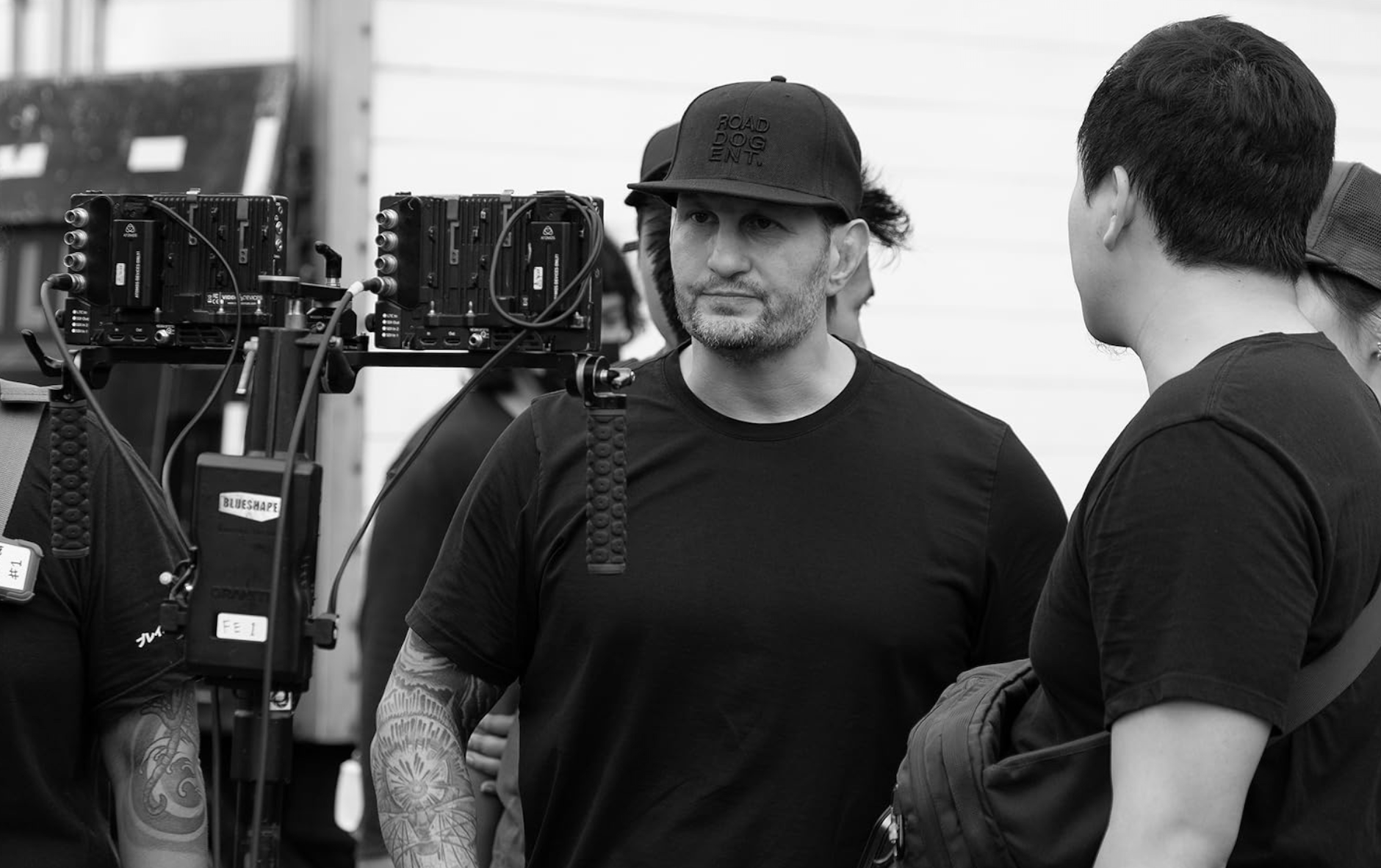
He got involved when Ryan Ennis, who was second unit director, put him forward for the role of Clive. Ryan read the script and called Jason to say that the character sounded like him. Jason auditioned and then met director Luke Greenfield. They discussed the character and Luke was clear that Clive had to be intimidating and help raise the stakes of the story. The next day Ryan called and told him he had the role.
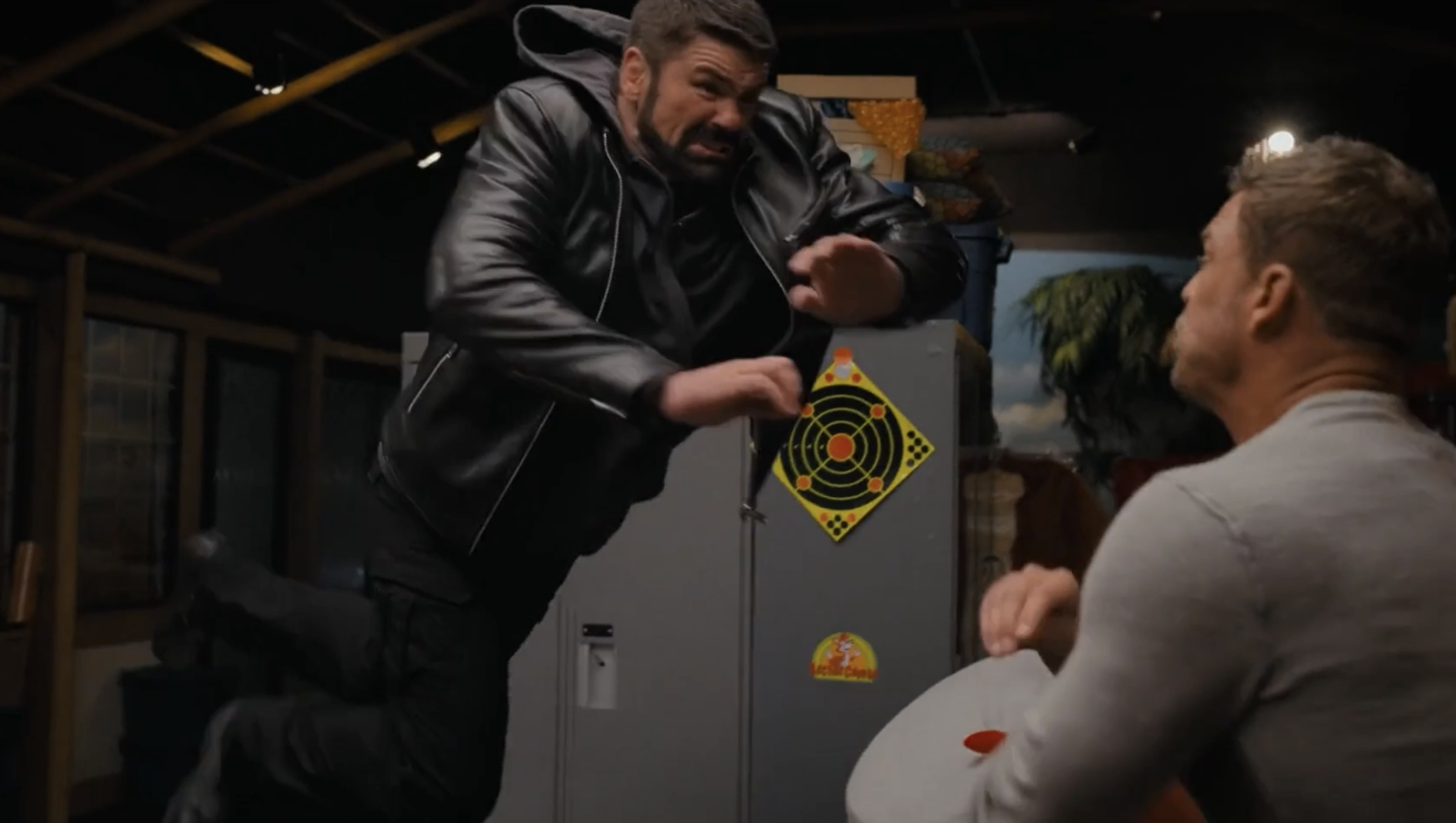
The action on Playdate was physically demanding. The main fight with Alan Ritchson took place over a long day. Jason describes Alan as a big man who puts a lot of energy into his fights. Alan did most of the fight himself and does not hold back. At the end of the fight he had to pick up Alan and then Alan’s stunt double Ryan Tarran, both large men, and run them through a wall. They had real time to shoot the fight, which was great, but it meant six or seven hours of work at full intensity. Jason says he loved every minute of it.
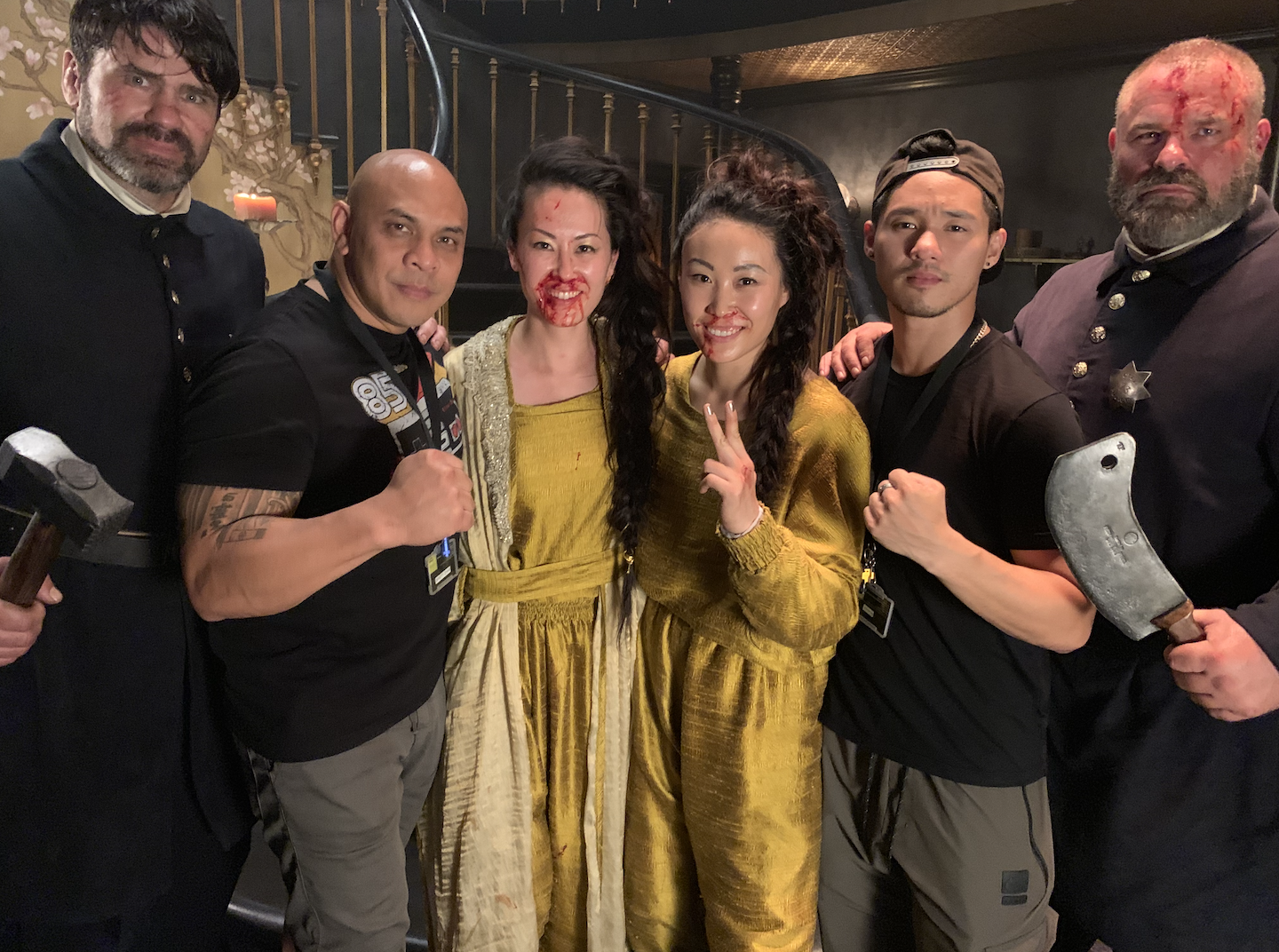
The atmosphere on set was strong. Jason has been a fan of Kevin James for a long time and enjoyed watching both Kevin and Alan work. He learned a lot acting wise from seeing how they built scenes and made adjustments. He says the best part was watching Ryan Ennis in his element as second unit director and coordinator, moving quickly and keeping the days fun. Maja Aro and Ryan Tarran helped keep the fight sharp, fixing things on the fly, keeping the pace and intensity up, and making sure everything stayed safe. Jason says Luke kept the mood light and made it fun while still focusing on capturing his vision.
Kevin James left a real impression on him. Jason shares a moment during a scene where Alan drags him through a gravel pit. After each take Kevin helped Jason up and when Jason lay back down, Kevin would tuck the hood of his sweatshirt under his head so he would not be hurt by the gravel. On the last day Kevin had his driver pull over so he could shake Jason’s hand and say goodbye. Jason appreciated that.
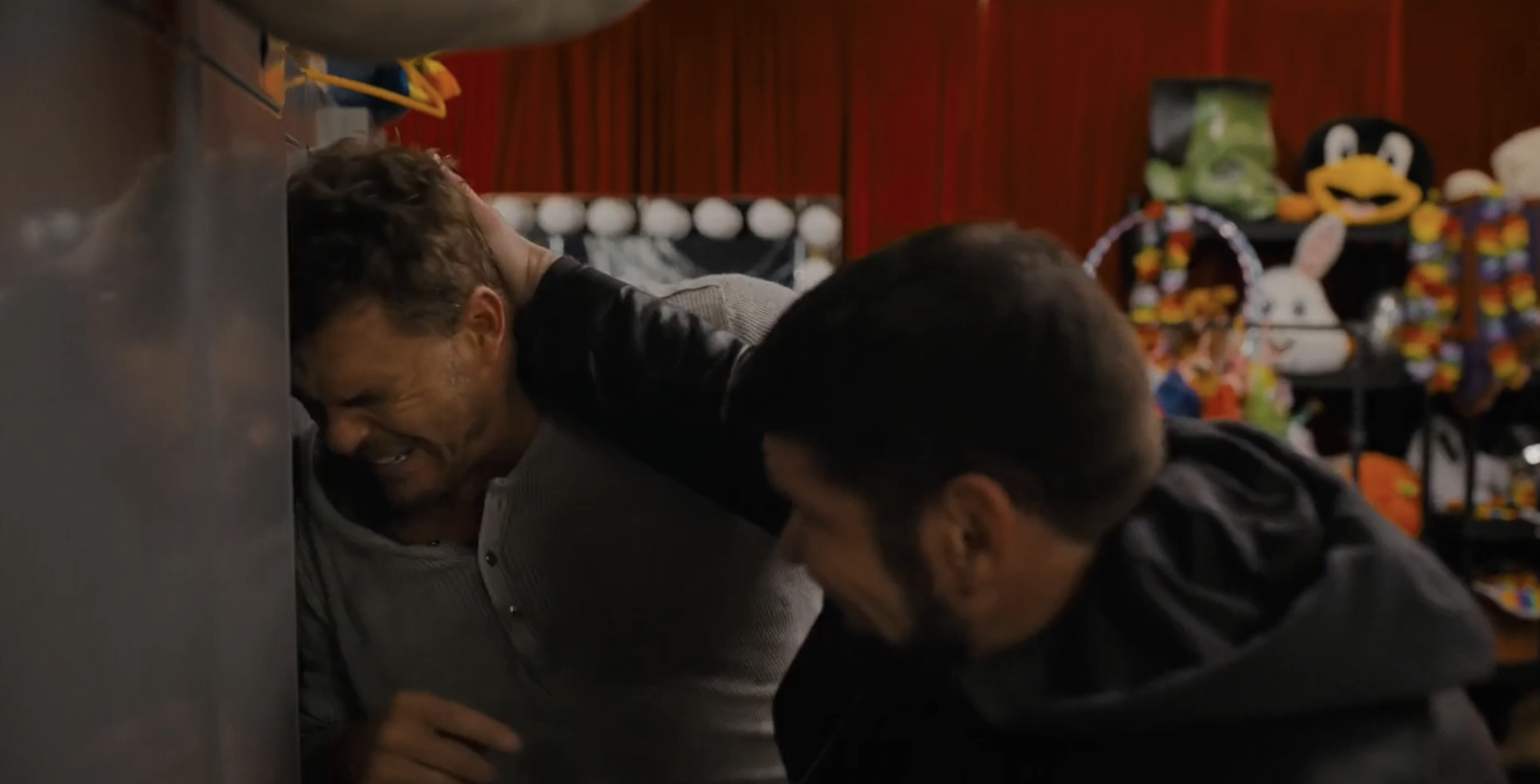
Alan, he says, is a take charge performer with a clear vision who works with everyone to get the best product. During their fight Alan made Jason punch him in the gut for real and Jason told him to do the same, though Alan was not sure he could take it. Jason says he did. In another moment where Jason slams Alan’s head into lockers, Alan told him to send it and smash his head in there, which reminded Jason of Alan’s wild character from Blue Mountain State.
Jason also talks about working with Ryan Tarran, who knows what Alan likes and is capable of, so they could tailor the fight to his strengths. He enjoyed the strength challenge of working with such a big double. He mentions that Maja Aro was calm and direct on set and that she and Ryan made a great team. There is also a near miss with a mini van driven by David Jacox, Kevin’s double, which required complete trust. Jason praises the other drivers as well.
One of the more technical challenges was a gag where Jason and Ryan go through a wall and fall about fifteen feet to mats. The space above the mats was tiny, so the two large men had to huddle together in a cramped spot with a small opening above them and then fall through while Jason tried to chip off a ledge. He remembers it as comedy in the rafters, but it looked great in the finished scene.
There were lighter moments too, like the day Sarah Chalke walked into the green room and started talking with him. Jason told her she looked very familiar and wondered if they had worked together. She was polite and said he looked familiar as well. As he walked to set he realized who she was and had to laugh at himself.
His favorite moment on Playdate came when his family visited set. His sons sat in front of the monitors with headphones watching him rehearse the fall from the rafters. It was a proud moment for him and he says everyone on set loved having them there.

Jason feels the film helped his acting a lot. Being close to Alan and Kevin for an extended time and watching how they work and build scenes was valuable for him. He also spent a lot of time simply observing.
Balancing acting, stunts, martial arts, and family is not easy. He says that martial arts has taken a back seat for now because stunts pay the bills and acting is a major focus, but he brings martial arts in when specific jobs call for it. The hardest part is balancing work with home. His wife and sons mean everything to him, so he does what he can to make sure they are taken care of, even if that means sacrificing some work or training.
He jokes that he is always the bad guy and always dies. He says it would be nice to survive a project for once. His dream is to be in a big western. He had a small role on Billy The Kid and got a taste for that world and would love to be involved in a large western film, even as a villain again.
When it comes to how he wants to be remembered, Jason says he hopes people find his work entertaining and do not feel like they wanted more. From other performers and coordinators he hopes they remember that he gave his all and had their backs.
What keeps him motivated now compared to when he started is his family. In the beginning he only had his wife to look after. Now he has three boys as well and he wants to give them the best upbringing he can. That does not always mean the nicest things or fanciest trips. It means being around and present.
Film gives him a sense of security that fighting never did. Even though stunt work can still be feast or famine, it is more reliable than the fight world, where you can be a champion one day, lose a couple of fights, and find that people forget you and the paychecks stop.
What keeps him passionate is that every job is different. “No day is the same, even on a long show. There are always new scenes, new fights, new action.” Getting bigger roles and new opportunities keeps him hungry. He says he loves stunts and acting and likes being in that hot seat.
When he looks back at his journey he is surprised by how fast it has gone. It feels like just yesterday he was grinding to get enough credits to be a full performer and now thirteen years have passed.
He does not chase the idea of legacy too hard. He says he just wants to do what he loves, get paid for it, follow his dreams, and be remembered as someone genuine who worked hard.
To Learn More About Jason Day CLICK HERE